For a long time, hiring has followed a familiar formula. Education, previous job titles, years of experience and a résumé that checks the right boxes have often shaped who gets an opportunity. But across the workforce, employers are beginning to ask a different question.
What can this person actually do?
It is part of a growing shift toward skills-based hiring, which places greater emphasis on a person’s demonstrated abilities and potential rather than relying primarily on traditional credentials. According to the National Association of Colleges and Employers, almost 70% of employers responding to its 2026 survey reported using skills-based hiring, up from 65% the previous year.
For KANDU, the idea feels both timely and familiar.
For decades, organizations serving people with disabilities have seen what can happen when we look beyond what is written on paper, or what we assume about someone, and take the time to discover their strengths. Sometimes a person’s ability is clear right away. Sometimes you have to see someone doing the work, learning a process, solving a problem or experiencing that moment when something that was difficult yesterday suddenly clicks today.
Those moments remind us that potential is not always obvious at first glance.
They also raise an important question for employers. How much talent do we overlook because we are accustomed to recognizing it in only certain forms?
A great employee may not have the most conventional résumé. They may communicate differently, learn differently or need an accommodation to perform at their best. Their path to becoming proficient may look different from someone else’s. Different does not mean less capable.
Sometimes opportunity is what allows ability to become visible.
That is where skills-based thinking can become more than a hiring trend. It asks employers to look carefully at what a job actually requires, which skills truly matter and how people are given the chance to demonstrate what they can do.
It does not mean lowering expectations. It means examining them more thoughtfully.
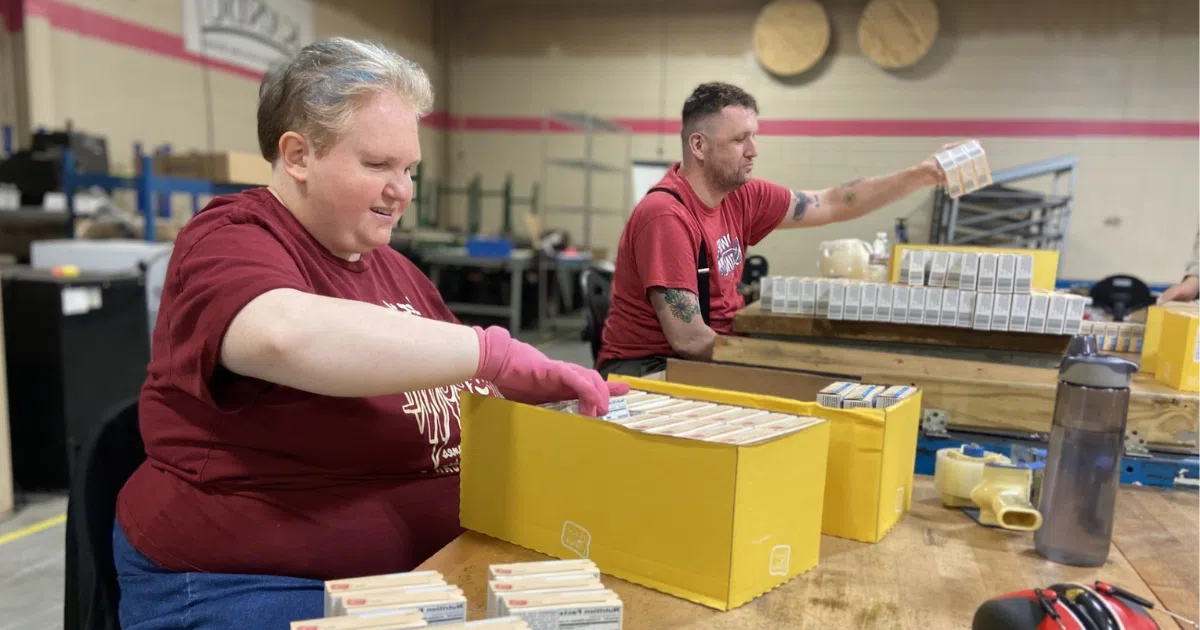
At KANDU, we see abilities develop every day. We see the concentration that comes with learning something new, the pride that follows mastering it and the confidence that grows when someone realizes, I can do this. We see people take on greater responsibility and discover strengths that may not have been obvious at first.
We also see the difference another person’s belief can make. An employer offers an opportunity. An instructor finds another way to teach a skill. A caregiver allows room to try. A support professional recognizes when to step in and when to step back.
Those choices can seem small, but they can be exactly what allows potential to become progress.
As employers rethink how they find and develop people, perhaps there is an opportunity to rethink something bigger too. We can broaden our definition of talent and become better at recognizing ability when it does not arrive in the form we expected.
A more inclusive workforce is not created simply by opening more doors. It is created when we become better at recognizing the abilities of the people standing on the other side.
A résumé can tell us where someone has been.
Opportunity can show us where they might go.